Understand the cultures our future depends on.
Panoramic is a social science and storytelling lab. We apply ethnography and documentary film to reveal how people create, embrace and resist change, for organisations working across climate, science and technology.

OUR MISSION
Solar farms stalling at the planning stage due to public resistance. Climate campaigns perceived as holding hidden agendas. Cutting-edge science losing public trust before it can prove its social value. The cause of these frictions is rarely what appears on the surface. They point to a gap in understanding how people, places and institutions adapt to a changing world.
Panoramic works to close this gap. We spend time where change is happening: in towns facing new green infrastructure; in communities living with extreme weather; in labs and accelerators where new futures are being built. We apply deep listening, patient observation and documentary filmcraft, translating what we find into cultural intelligence our clients can act on: where to build, what to back, and how to earn and keep trust.
We are anthropologists, founders and filmmakers. Our work pairs the depth of academic research with the pace and clarity clients need.
Making culture visible in decisions shaping our future.
Our Expertise
Field Research &
Ethnography
We conduct in-situ fieldwork to understand the people, places and issues of interest. We go beyond what polling and focus groups reveal, applying rigorous ethics and informed consent at every step.
Strategy &
Advisory
We help teams act on what the research reveals. Through workshops, deep dives, briefings and practical playbooks, we translate findings into clear choices: where to focus, how to engage, and what to avoid.

Documentary Film &
Storytelling
We produce cinematic films that carry meaning to the people who need to understand: boards, funders, policymakers and the public. Built on the same fieldwork, so every story is grounded in evidence.
Our Context
-
Climate & Sustainability
Coalitions, foundations, developers and sustainability teams working on the energy transition, nature and adaptation, from new infrastructure to flood resilience. We help them understand the communities and wider networks they work within, and how to earn lasting consent.Science & Innovation
Climate and science-led scale-ups, research organisations, and the accelerators and investors behind them. We help them understand the cultures that accelerate or hold back breakthroughs, and how to earn the public trust and licence to operate their work depends on.Public Policy
Government departments and agencies working on climate, energy, nature and science policy, who need grounded evidence of how people experience change. We bring cultural intelligence that helps policy work for the communities it serves. -
We go into the field
Our researchers spend time where change is happening, in towns, labs and communities, listening to people in their own words to make sense of behaviours and attitudes in context. We follow a clear ethical code, built on informed consent and care for the people we speak with.We find what's driving behaviour
People rarely share the full reasons they support or resist change. We document what they say and do, tracing any gaps back to incentives, trust and beliefs. The result is cultural intelligence: a clear picture of what will cause a project, product or policy succeed or fail on the ground.We put findings to work
Insights are worked through with the client until they become decisions: where to focus, how to engage and what to change. Briefings and documentary film then carry the evidence to the boards, funders, policymakers and communities who need to act. -
Field Reports & Data
Concise written findings from our time on the ground, mapping the incentives, relationships and beliefs that speed up or slow down progress.Workshops & Strategy Sessions
Facilitated sessions that take teams through the evidence, test it against their plans and turn it into clear priorities and next steps.Documentary Film
Short and long-form films made alongside the research, giving boards, funders, policymakers and the public a direct view of the people and cultures behind the findings.
Case Studies
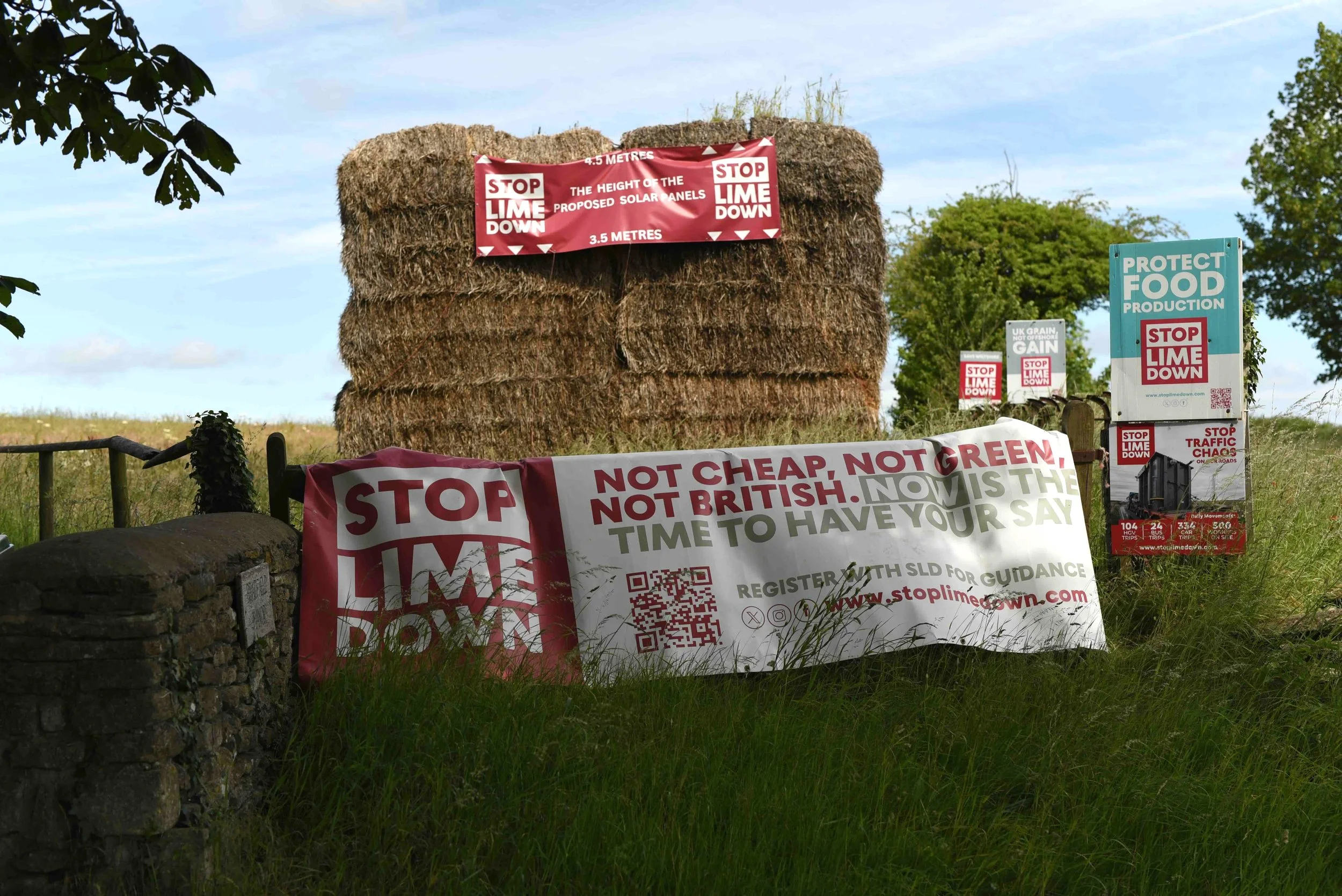
Public Consent for Renewable Energy at the Lime Down Solar Park
In Summer 2026, Panoramic Founder Tristan Copley Smith conducted a rapid field study around a proposed 500MW solar development in North Wiltshire. Interviews revealed that concerns about landscape masked deeper drivers: distrust of outside interests, frustration with consultation and proximity to the site. Panoramic now uses these insights to help climate organisations understand where public consent for clean energy holds, where it erodes and why.
Assessing Innovation at the Royal Botanic Gardens, Kew
In Spring 2025, Panoramic Founder Tristan Copley Smith conducted fieldwork and filming at Kew's Jodrell Laboratory and Fungarium, interviewing senior scientists and observing DEFRA-funded genomic sequencing. The study traced how fungi are being reframed from collection specimens into climate solutions, and the tension between slow, foundational science and pressure to show impact. Panoramic uses these insights to help research organisations make the case for long-term science.

Feral Hacking for Climate Regeneration in India
In Winter 2025, Panoramic's Dr. Kit Braybrooke researched how frontline communities in India use hacking, making and jugaad to build alternatives to extractive climate technologies. Following a workshop at What Design Can Do Delhi and a residency with UnBox Cultural Futures India and Pro Helvetia, the work mapped hubs from biomaterial labs to community aquaculture. Panoramic uses these insights to shape innovation strategies where community-led sustainability meets design.

Filmcraft
The Empathy Project: Discovering Inner Worlds
In 2025, Panoramic was commissioned to produce The Empathy Project, a mid-length documentary exploring how deep emotional connection to animals shapes personal transformation, stewardship and activism. Through intimate interviews with twelve senior advocates, the film reveals how empathy can drive social change while also confronting the climate and biodiversity impacts of animal agriculture.
Directed by Panoramic Founder Tristan Copley Smith, the film has been screened internationally throughout 2026. Learn more at The Empathy Project website.
Our Team

Tristan Copley Smith
-
Tristan is a filmmaker, ethnographer, and sustainability strategist, working across climate and social innovation at the intersection of public and private sectors. A serial founder, he has led research, storytelling, and strategy projects spanning biodiversity, carbon markets, and regenerative science, working with organisations including NASA, Innovation Norway, and the Green Party. He holds a Master’s in Anthropology of Global Futures & Sustainability from SOAS, has taught climate communications internationally, and has co-founded technology and media ventures including OSBeehives and Possible Studio. Tristan has been nominated as an MIT Innovator Under 35, has screened films at Sundance Film Festival, and his work has been featured in The Guardian, Newsweek, and the BBC.
Founder & Director
Prof. Kit Braybrooke
-
Kit is a digital anthropologist and systems designer. They serve as Professor of Transversal Design at the Institute of Experimental Design and Media Cultures, HGK FHNW Switzerland, where they built the Transversal Design MA programme as its first director. Their work examines the social, ecological and technological dynamics of systems change, drawing on 15 years of collaboration with hacker, maker, circular and multispecies movements across Europe, Asia and Canada, supported by institutions including the British Council, Mozilla, Pro Helvetia and Superrr Lab. They hold a PhD from University of Sussex Digital Humanities Lab and a MSc in Digital Anthropology from UCL.
Research Advisor

Patrick Killoran
-
Patrick has held various roles within the environment sector and is currently a senior consultant at Cambridge Grove Consulting where he helps organisations design strategies, navigate the philanthropic landscape, and strengthen governance. He previously managed large grant portfolios at the Children's Investment Fund Foundation and was a policy adviser at the UK think tank Green Alliance.
Strategic Advisor
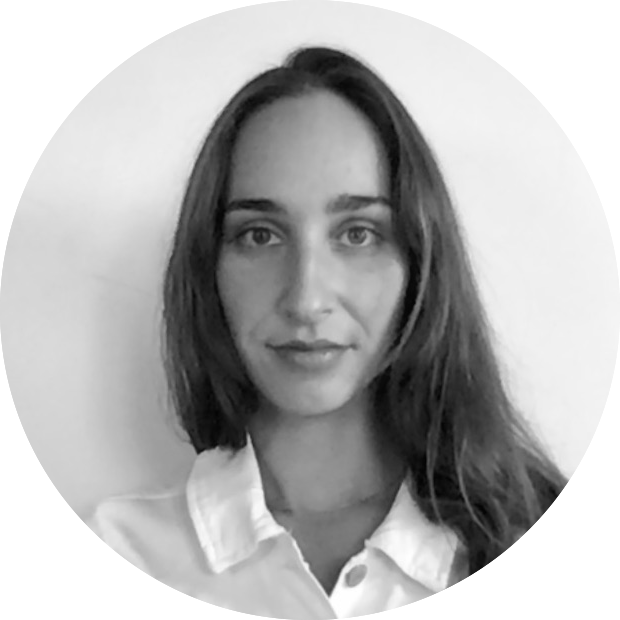
Dr Flora Hastings
-
Flora is an environmental anthropologist. Her research, funded by the UK government and the Royal Anthropological Institute, expands understandings of urban sustainability and grassroots environmental movements. Beyond designing an environmental anthropology module at SOAS University, writing for academic audiences and delivering multi-species workshops across Europe, Flora has applied her ethnographic expertise within the charity sector, helping organisations to better understand the populations they support. As a freelance photojournalist, Flora has published for multiple outlets, from The New Internationalist to Novara Media. She holds a PhD from SOAS, University of London's Department of Anthropology and Sociology.
Research Associate
-
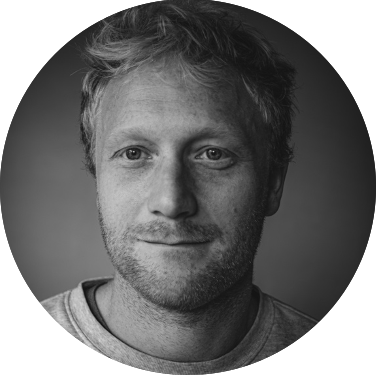
Luke is a policy specialist and filmmaker working across energy, climate security and creative practice. After studying engineered greenhouse gas removal at Imperial College London, he led the Greenhouse Gas Removal team at the Department for Energy Security and Net Zero, where he helped amend the Climate Change Act to count carbon removals towards UK carbon budgets and led a national public dialogue on carbon capture. At the Ministry of Defence, he worked on climate-related security risks, including interviews and photo essays on community resistance to onshore wind in rural Wales. He also works in film production on documentaries and features.
Policy Advisor
Luke Jones

Daillen Culver
-
Daillen is an anthropologist, nonprofit leader and creative facilitator. She holds an MA in Anthropology of Food from SOAS and an MSc in International Development from the University of Edinburgh. With over a decade of experience leading community-based development projects in Guatemala, she specialises in Indigenous foodways, sustainable livelihoods and ethical supply chains. She also co-founded BeDo, a mental health initiative for impact-driven professionals, delivering workshops for clients including Yale School of the Environment and Canada’s IDRC.
Research Associate